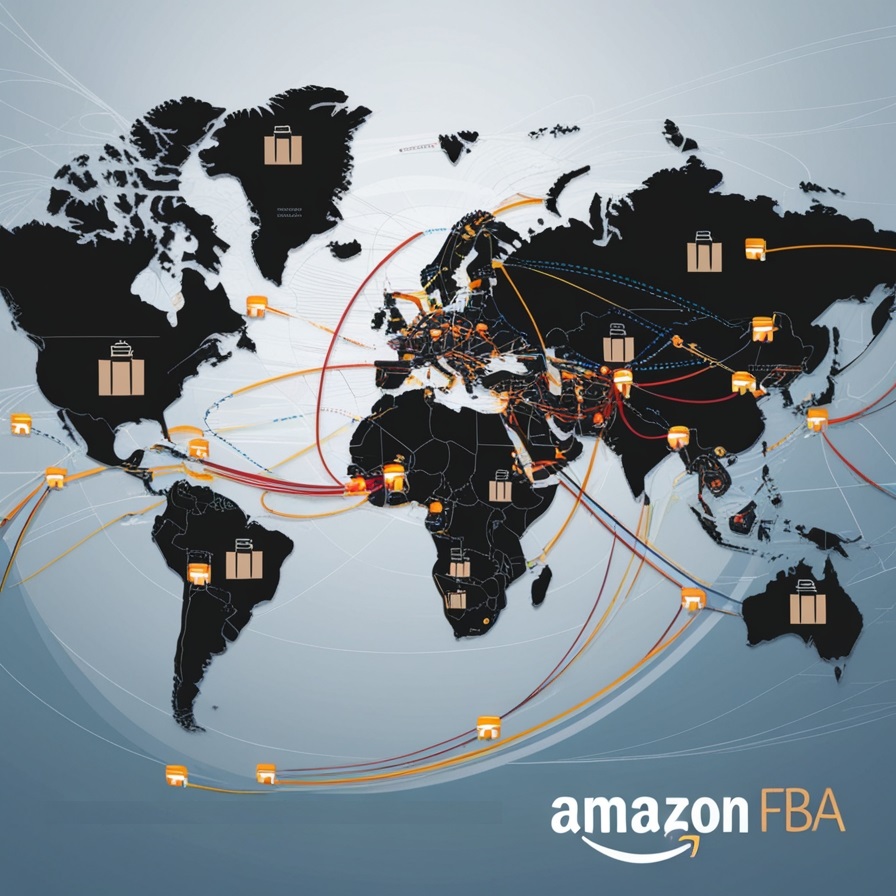
Tired of the hassle of shipping and managing customer service for your online store? Want to expand globally without the headache of multiple fulfillment centers? Fulfillment by Amazon (FBA) can be your game-changer. By outsourcing order fulfillment to Amazon, you get to focus on growing your business while Amazon handles the logistics. Here’s an expert-level guide to creating and optimizing your Amazon store using FBA, detailing the benefits, costs, and advanced strategies to get you started.
Fulfillment by Amazon (FBA) is a service where Amazon handles storage, packing, shipping, and customer service for your products. By using FBA, you can offer customers free two-day shipping via Amazon Prime, which can significantly boost your sales.
Expert Tip: Ensure you understand Amazon’s policies and requirements for FBA-eligible products. Non-compliance can lead to delays, additional fees, or account suspension. Regularly review updates to Amazon’s FBA guidelines.
Benefits of Using FBA:
Expert Tip: Leverage Amazon’s Multi-Channel Fulfillment (MCF) to use FBA for orders from other sales channels, like your website or other marketplaces, to streamline operations.
How to Get Started with FBA:
Expert Tip: Start with your best-selling, lightweight, and high-margin products to test FBA’s impact on profitability and operations.
Expert Tip: Pre-label your inventory using Amazon’s barcode requirements to avoid unplanned service fees and ensure quicker processing.
Expert Tip: Use A/B testing tools like Splitly to experiment with different listing formats and identify what drives the highest conversions.
Expert Tip: Set up automated alerts to notify you of sudden changes in sales trends, Buy Box performance, or customer feedback.
Tips for Optimizing Your Product Listings:
Expert Tip: Monitor competitors’ listings for emerging keyword trends and incorporate them into your optimization strategy.
Expert Tip: Add a video demonstration to your product page if possible, as video content can increase engagement and trust.
Expert Tip: Highlight unique selling points (USPs) in bullet points to make them easily scannable for mobile users.
Expert Tip: Use Amazon’s Request a Review button strategically for recent buyers to boost the likelihood of positive reviews.
Costs Involved with FBA:
Expert Tip: Use Amazon’s Inventory Performance Index (IPI) to optimize your storage and minimize costs.
Expert Tip: Regularly review your product packaging to identify cost-saving opportunities by reducing dimensions or weights.
Expert Tip: Focus on high-margin products to offset the impact of referral fees.
Expert Tip: Regularly audit optional fees to identify areas where you can reduce unnecessary expenses.
Common Challenges with FBA and How to Overcome Them:
Expert Tip: Run seasonal promotions or discounts to clear slow-moving inventory before long-term storage fees are applied.
Expert Tip: Use Amazon’s FBA fee calculator to compare costs for various products and packaging configurations.
Expert Tip: Identify and resolve common customer pain points highlighted in return feedback to improve satisfaction and reduce future returns.
Expert Tip: Implement predictive analytics to forecast demand and avoid overstocking or stockouts during peak seasons.
Advanced Strategies for Optimizing Your Amazon FBA Store:
Expert Tip: Regularly analyze ad performance and refine your keywords and bidding strategy to maximize ROI.
Expert Tip: Incorporate storytelling and lifestyle imagery in your Enhanced Brand Content to connect emotionally with customers.
Expert Tip: Utilize Amazon Posts to share brand updates and engage with your audience directly on the platform.
Expert Tip: Test your listings on various devices to ensure readability and functionality across different screen sizes.
Conclusion:
Fulfillment by Amazon (FBA) is a powerful tool for scaling your ecommerce business and reaching a global audience. By implementing expert-level strategies, optimizing your product listings, and leveraging Amazon’s tools, you can create a high-performing store that drives consistent sales growth. Stay proactive in monitoring your performance metrics and adapting to market trends. Success on Amazon requires continuous improvement, so keep refining your approach to stay ahead of the competition.

Whether you’re a brand looking to expand into the world’s largest marketplace or someone exploring Amazon as your first e-commerce venture, the process of getting started can feel overwhelming. I’ve helped dozens of brands launch

Expert Amazon PPC Strategies to Boost Ad Revenue and Lower ACoS in 2025 Running Amazon PPC campaigns is no longer optional—it’s a must if you want to scale sales, dominate search rankings, and increase profitability.


